
Bras >


Underwear >

Lounge >

Sleep >
Explore Our Best
Sellers
Sale!
Price range: $21.00 through $35.70
Sale!
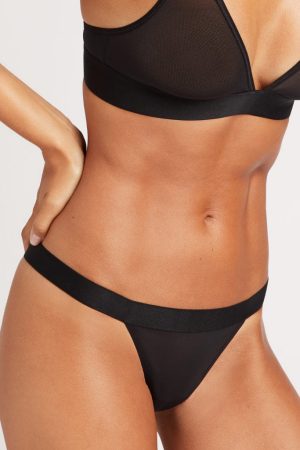
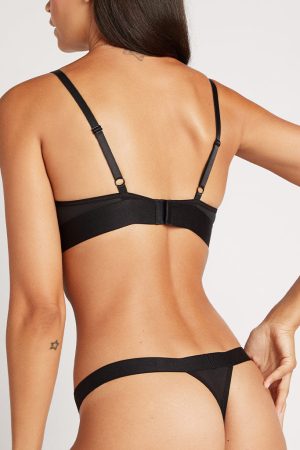
Price range: $9.60 through $16.80
Sale!


Price range: $22.50 through $42.60
Sale!
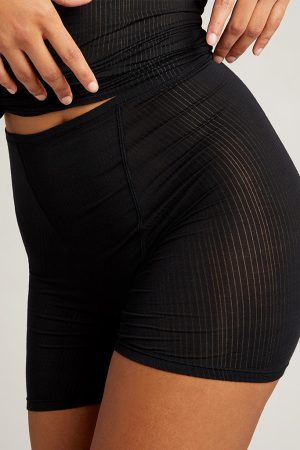
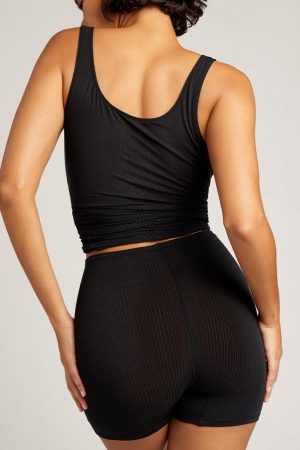
Price range: $15.00 through $28.50
Sale!


Price range: $22.50 through $38.40
Sale!
Price range: $21.00 through $35.70
Sale!

Price range: $21.00 through $35.70
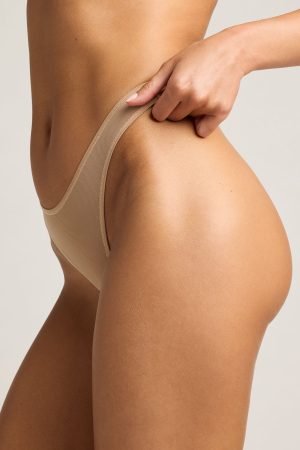
Sale!


Original price was: $75.00.$22.50Current price is: $22.50.
Sale!

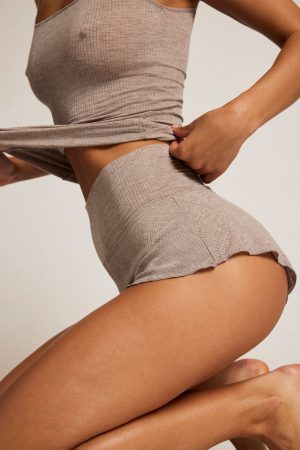
Original price was: $65.00.$19.50Current price is: $19.50.
Sale!

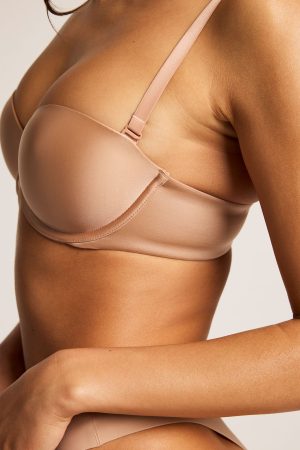
Original price was: $78.00.$23.40Current price is: $23.40.
Classic Recommendation.
A Silk Road: The History and Allure of Natural Fibers
For centuries, silk has remained the gold standard for luxury in the world of intimate apparel. Its unique properties make it more than just a symbol of status; it is a functional powerhouse for skin care and temperature regulation.
The Molecular Structure of Silk
Silk is a protein fiber, primarily composed of fibroin. Its smooth surface reduces friction against the skin, making it an ideal choice for those with sensitive skin. Because the fibers are triangular in shape, they reflect light at different angles, giving silk its characteristic shimmer. This molecular structure also allows silk to absorb up to 30% of its weight in moisture without feeling damp, providing natural moisture-wicking properties.
Breathability and Thermoregulation
One of the most remarkable aspects of natural fibers like silk and high-grade cotton is their ability to breathe. In colder temperatures, silk acts as an insulator, trapping body heat near the skin. In warmer climates, its breathable nature allows heat to escape. This makes silk slips and chemises a staple for year-round comfort.
The Craft of Lace Integration
Combining silk with intricate lace requires immense skill. Unlike synthetic blends, silk does not always have the same elasticity, so designers must use strategic bias-cutting. Cutting fabric on the “bias” (diagonally across the grain) allows the silk to drape over curves naturally, providing a liquid-like silhouette that follows the body’s contours without the need for heavy elastic.